Surveillance in Lakewood and How It's Used
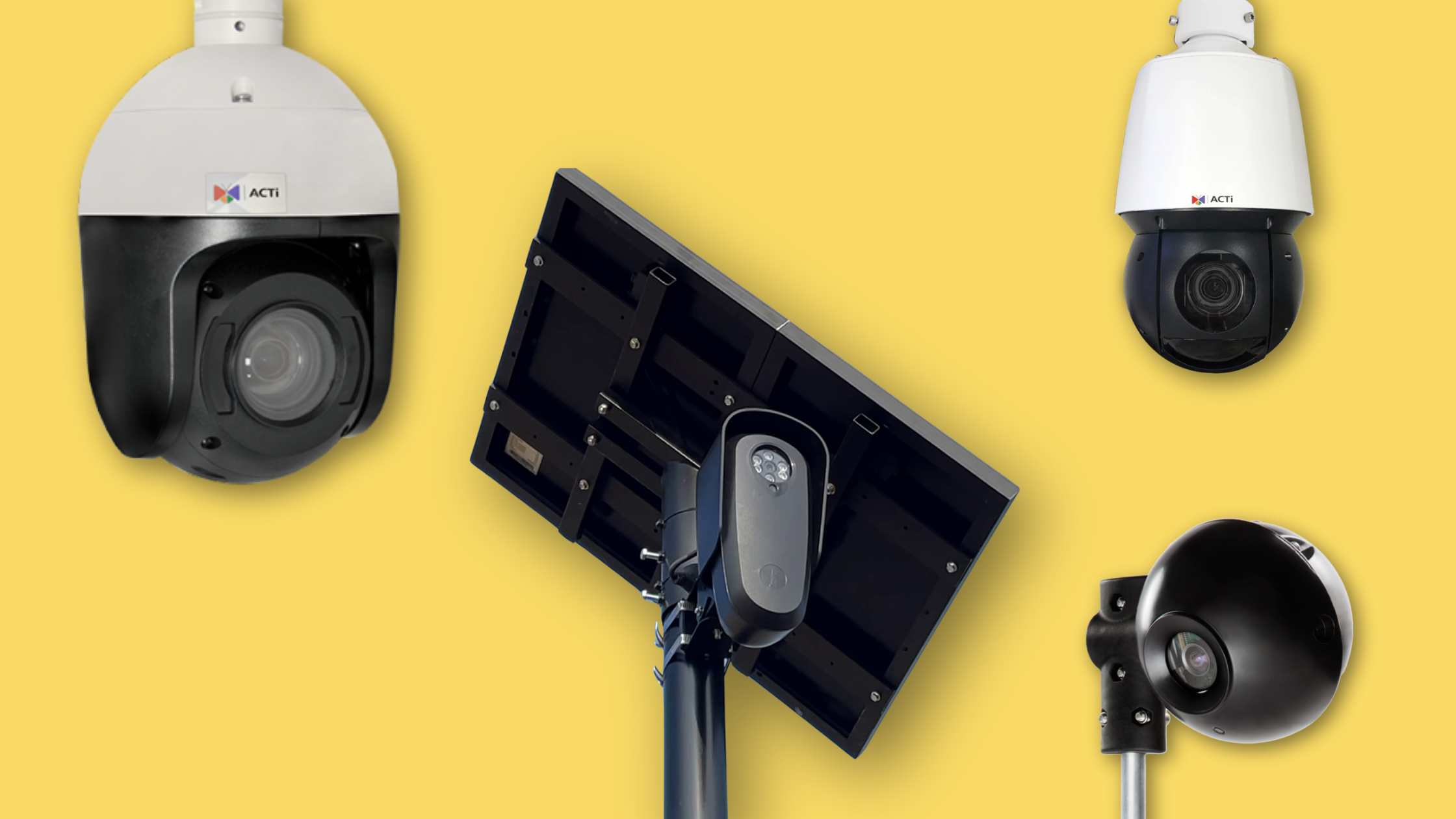
Lakewood is host to a lot of cameras, and how they're used is not clear. Public concern for Flock and ALPRs is on the rise, but this concern has come with increased misinformation about surveillance infrastructure. This is not the public's fault. The surveillance industry likes to keep the public in the dark about their products to slow opposition to the technology. Knowledge is power, and knowing what a particular surveillance device is, how it works, and how it fits into the growing fabric of surveillance today gives us power to stop them.
License-Plate Readers
Lakewood currently employs 50 Flock Safety Falcon license-plate reader (LPR) cameras around town. 49 of these cameras are Flock's older model LPRs and one is a newer model. The newer camera replaced a license-plate reader facing East down Detroit Ave at the intersection of Warren Rd. It's not known why or when the city replaced the camera.
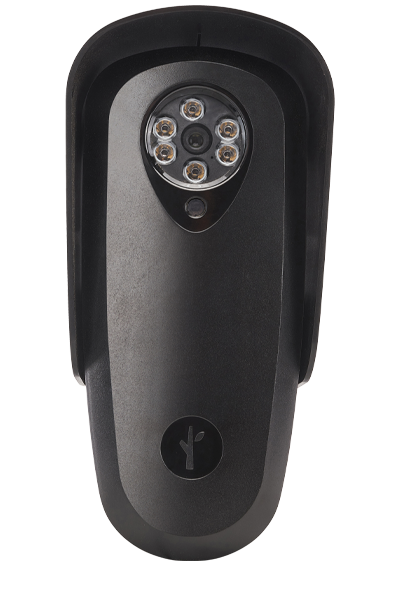
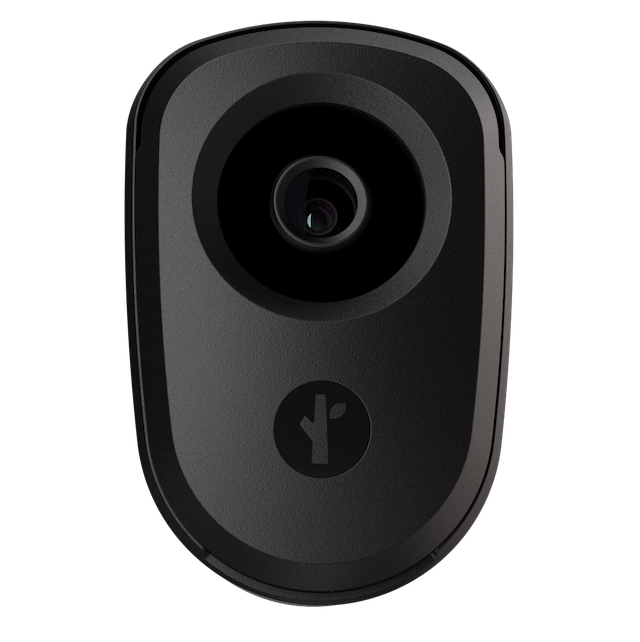
Both license-plate reader models capture images of passing cars when the camera's software detects a license-plate and save the image and license-plate number to internal storage. Depending on who they are speaking to, Flock Safety both claims and denies their LPRs can capture video. Whether Lakewood's Flock cameras do is not clear.
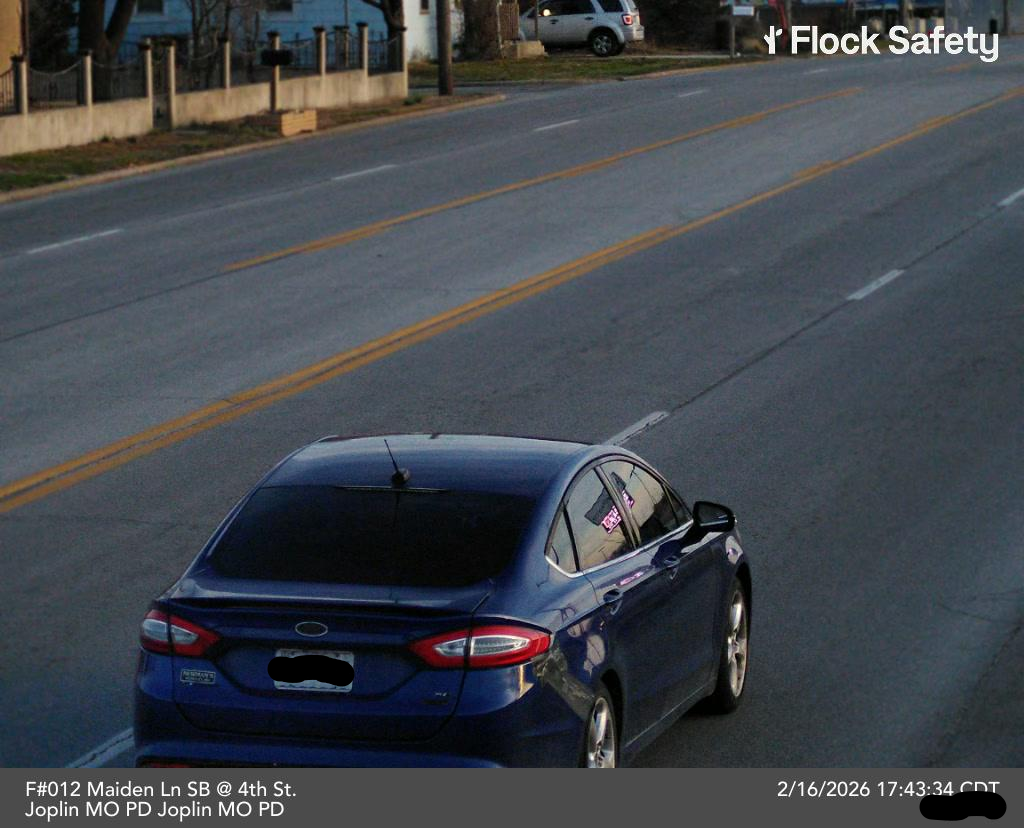
From here, the camera transmits the images and data via cell-tower to Flock Safety's servers. Flock claims they do not store data on the cameras themselves for longer than 7 days, but independent research has proven otherwise. From here, Lakewood Police Department and anybody they share the data with may search the data. We have determined that LPD shares this data with over 900 police departments, some well outside Ohio. They may share with more through Flock's statewide and nationwide networks, which have more limited search functions.
Pan-Tilt-Zoom Cameras
Lakewood also employs at least 40 ACTi pan-tilt-zoom (PTZ) cameras, but may have more. These are the white and black rotating cameras found near intersections and in Lakewood's parks. These cameras include models i910, i915, and Z958.
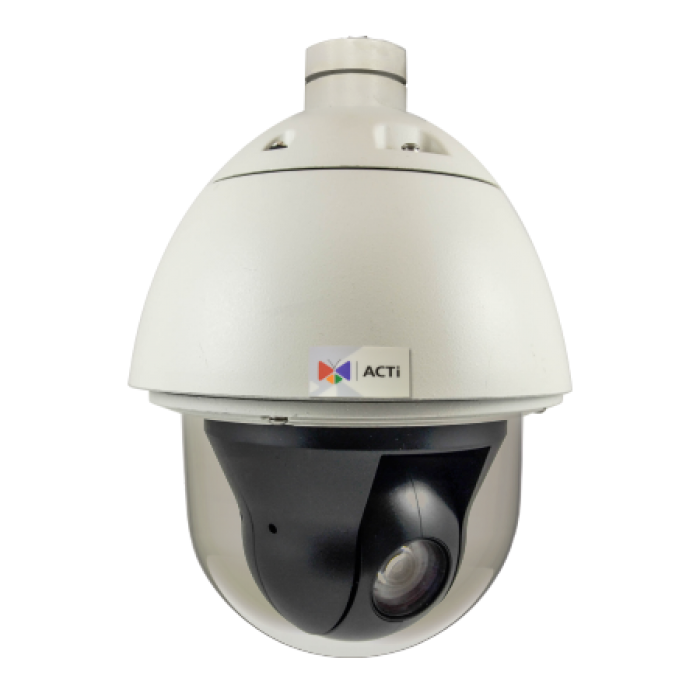
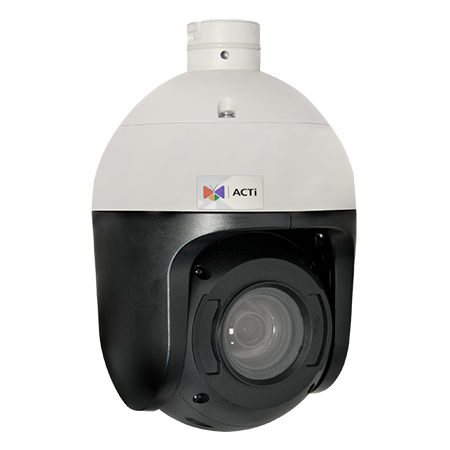
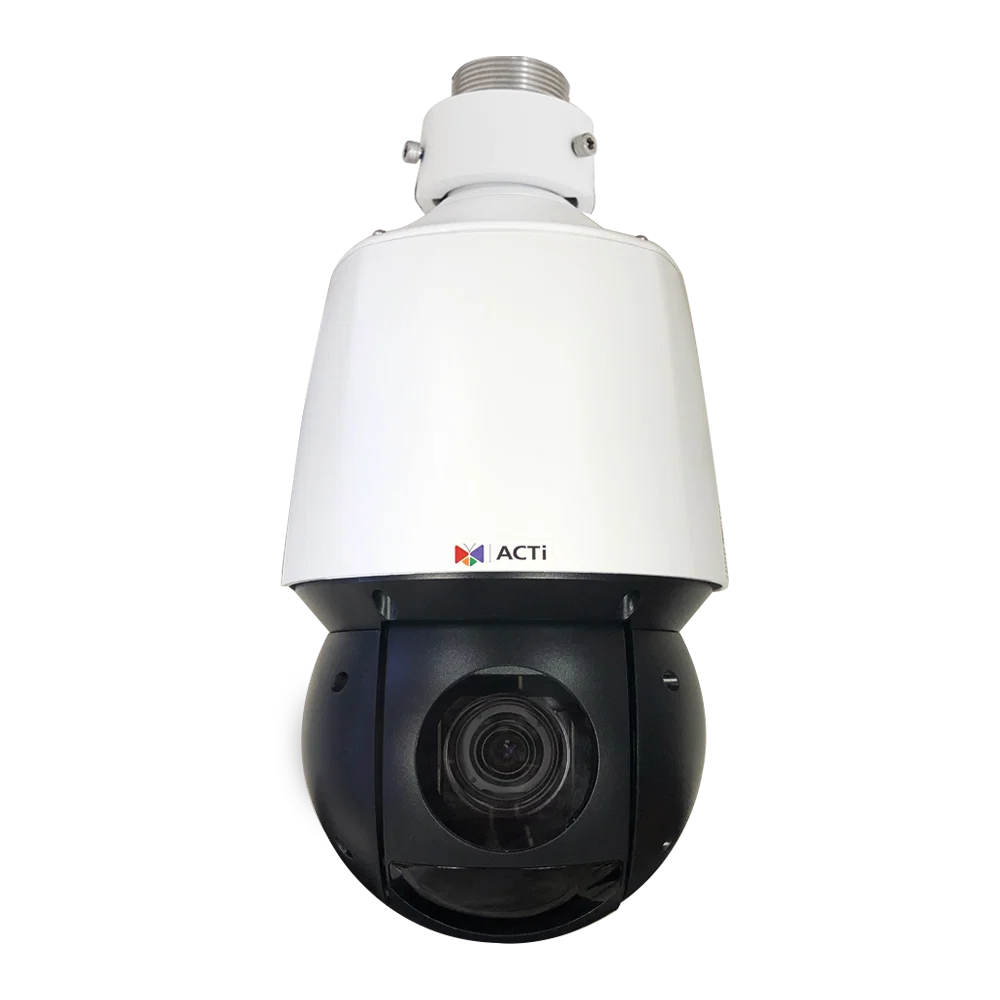
The ACTi Z958 bears a strong resemblance to Flock's own Condor PTZ cameras. It is likely ACTi and Flock buy from the same no-name manufacturer, but the difference is in the software either company creates for the cameras. ACTi markets the Z958 camera model in particular as having "Deep Learning AI" and all three models have built-in analytics, such as "smart motion detection" or "basic face detection." Despite these features, Lakewood's PTZ cameras have only been observed to swivel between preset positions rather than tracking people dynamically.
The data from the ACTi cameras feeds to a server on city property for storage. Between 2021 and 2024, the city may have stored the data offsite on Microsoft Azure servers, but an agenda from 2023 shows that the City of Lakewood's IT department intended to revert to local storage in 2024. While local storage may be more accountable, Flock's software allows its customers to integrate third-party cameras like the ACTi PTZs. Whether Lakewood Police Department does or not is unclear. In communications, Lakewood police often refer to Flock distinctly from the PTZ cameras, suggesting they are not integrated with Flock's software.
Traffic-Detection Cameras
Traffic-detection cameras are the most common type in Lakewood, with at least two on almost every traffic light in the city. Lakewood employs many different models of traffic-detection cameras, most from sensor company Iteris, and TrafiCam, a traffic-detection camera from company FLIR.
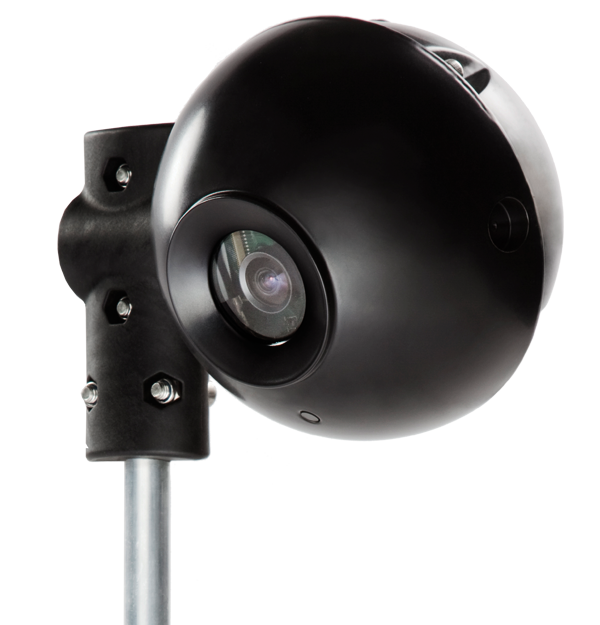
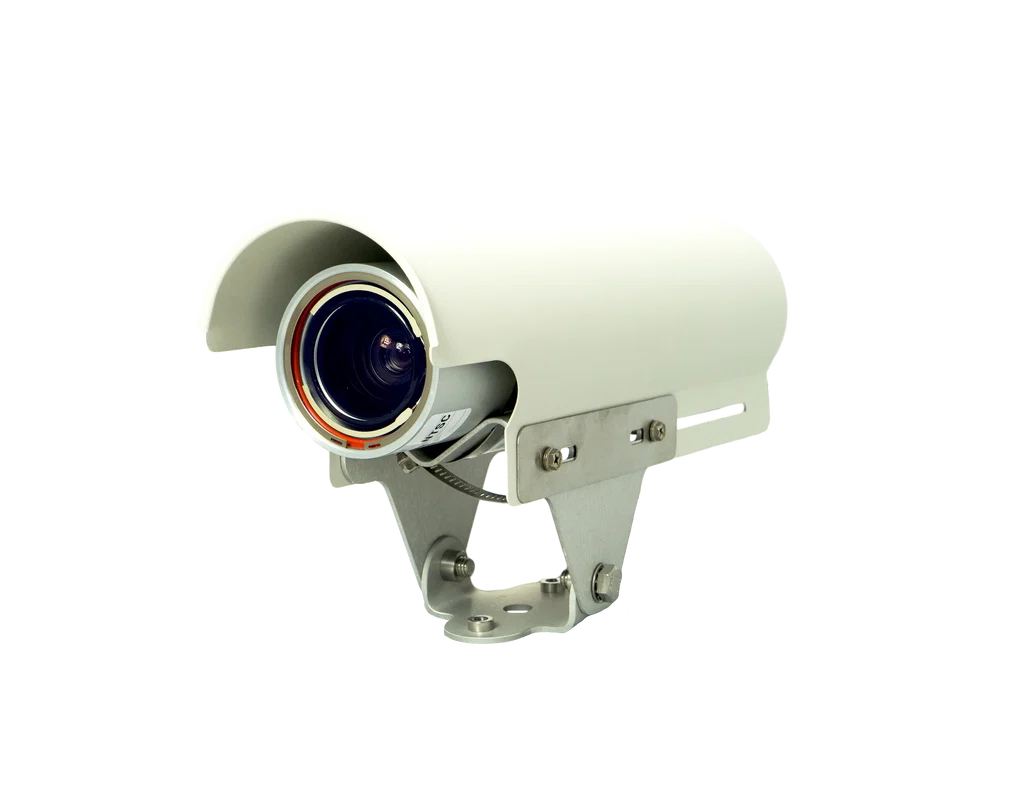
Traffic-detection cameras specialize in identifying and counting cars at an intersection. This data is used for traffic-light control and traffic statistics. While many modern traffic-detection cameras offer live video feeds, the amount of work required to integrate them into surveillance systems combined with the fact they would be redundant beside to the ALPRs often mounted nearby suggests Lakewood Police do not use them for surveillance.
Cameras Pointed at Park Benches
Between license-plate readers and the PTZ cameras, Lakewood has a lot of surveillance. Flock's license-plate readers monitor Lakewood's roads, providing a searchable log of every Lakewood resident's movements to the 900 agencies they Lakewood shares with. Lakewood police are even using the license-plate readers to write parking tickets, straying from the "serious" hypothetical situations the cameras are marketed for. Meanwhile, Lakewood's PTZ cameras monitor the sidewalks and parks in a city known for its walkability and public recreation.
Dunwoody, Georgia has a similar arrangement: Flock in the streets, security cameras in their parks. This pairing became a public-relations disaster when activists discovered that Dunwoody had integrated their security cameras with Flock, and that Flock Safety employees had spent considerable time viewing the cameras, some of which monitored public pools and children's gymnasiums. Whether Lakewood's cameras are attached to Flock's network is irrelevant; Lakewood's residents and visitors deserve to enjoy the city without being surveilled.
Tell City Council to Act